Tanzania, with its vast landscapes and rapidly growing population of over 63 million, is one of the most dynamic countries in Africa. Over 70 % of the population is under 30 years of age, making Tanzania a young nation brimming with potential. However, this demographic reality also brings challenges that require urgent attention. Youth unemployment, gender inequality, limited access to education, and inadequate healthcare services are among the systemic barriers preventing young people from realizing their potential.
SAfA (Stiftungsallianz für Afrika) is committed to addressing these opportunities and challenges for Tanzania’s youth through targeted, sustainable solutions. By focusing on agriculture, vocational training, logistics, and health, SAfA’s projects empower young people to create meaningful and self-reliant futures while contributing to the country’s socio-economic transformation.
3. Education and Skills Gap
Despite Tanzania’s efforts to improve education, vocational training remains inaccessible to many young people, especially in rural areas. This leaves a significant skills gap, restricting young people’s ability to access decent employment opportunities.
Youth-friendly health services are scarce, and awareness around sexual and reproductive health remains low. Young women are disproportionately affected by gender-based violence (GBV), harmful traditional practices such as Female Genital Mutilation (FGM), and limited access to contraceptive services.
5. Climate Change and Agriculture
Agriculture, which employs over 50 % of Tanzanians, faces significant disruptions due to climate change. Post-harvest losses remain high, with up to 40 % of food production lost annually due to poor storage and logistics.
Addressed Challenges:
A Snapshot
1. Youth Unemployment and Economic Exclusion
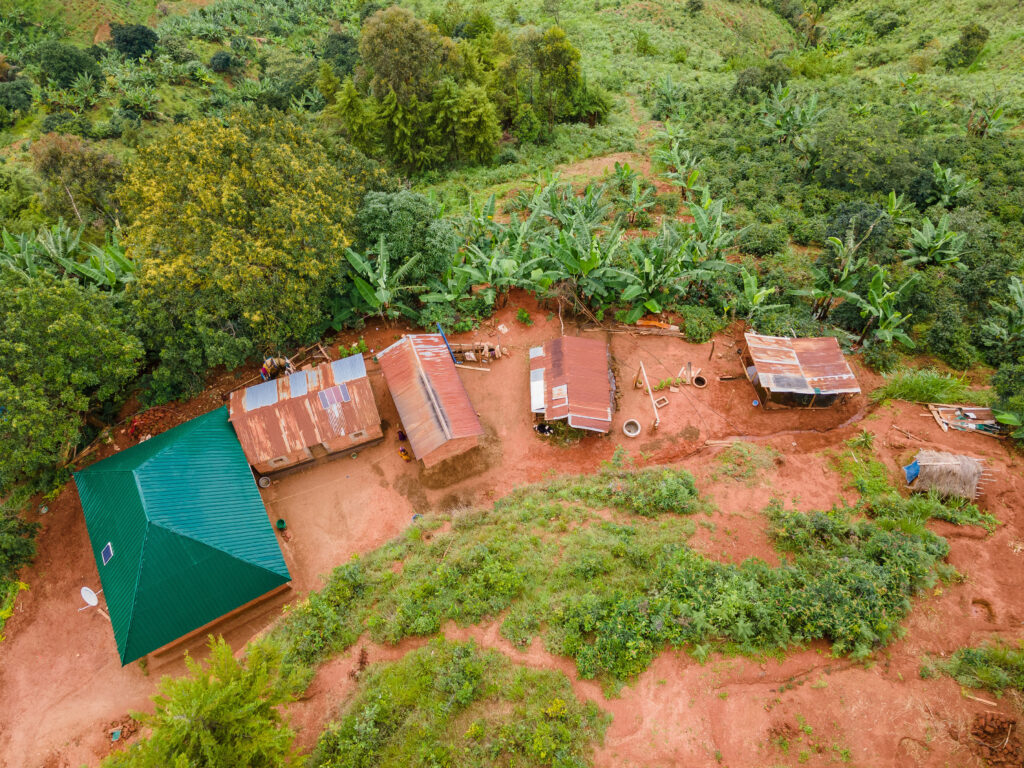
Over 64 % of Tanzanians live in rural areas, where agriculture remains the primary source of livelihood. However, traditional farming practices, limited technological access, and poor infrastructure have made agriculture less appealing to the younger generation.
Youth unemployment remains a critical issue, with many young people unable to find meaningful work or entrepreneurial opportunities.
2. Gender Inequality
Gender inequality is deeply rooted, leaving young women particularly vulnerable. Many are faced with early pregnancies, forced marriages, and limited access to education and financial resources.
Teenage pregnancy rates are high, with over 5,500 girls dropping out of school annually due to pregnancy-related challenges.
SAfA's Approach
in Tanzania
SAfA’s work in Tanzania focuses on creating opportunities for young people aged 15 – 30 across four regions: Arusha, Kilimanjaro, Mbeya, and Songwe.
Through its strategic alliance, SAfA combines the strengths of its local partner organizations — HRNS Tanzania, DSW Tanzania, and Kühne Foundation Tanzania — to deliver holistic, scalable solutions.
It is financially supported by the Federal Ministry for Economic Cooperation and Development (BMZ).
Key Focus Areas
Agriculture
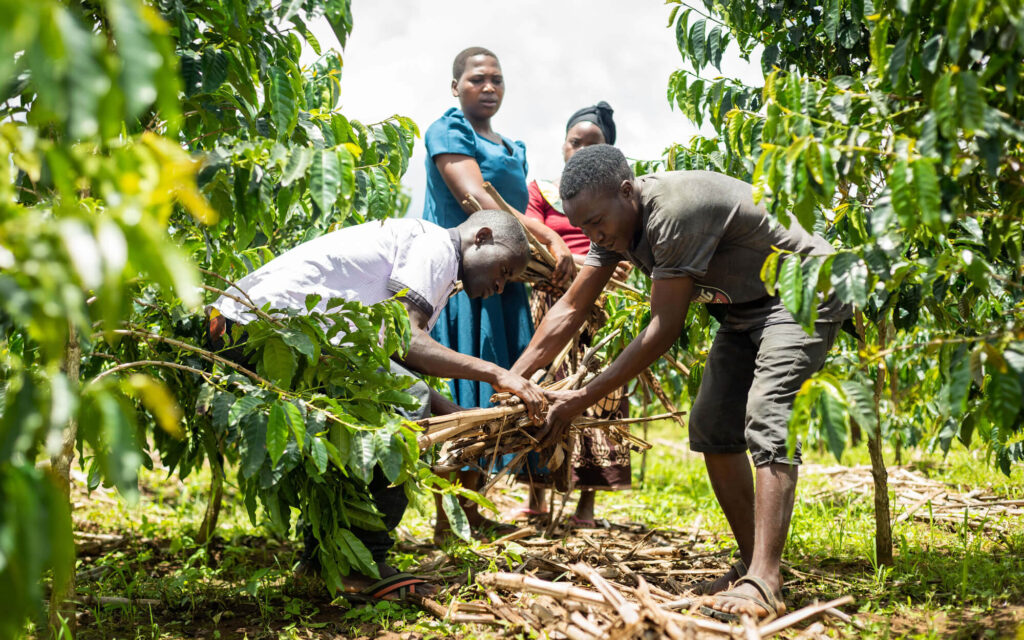
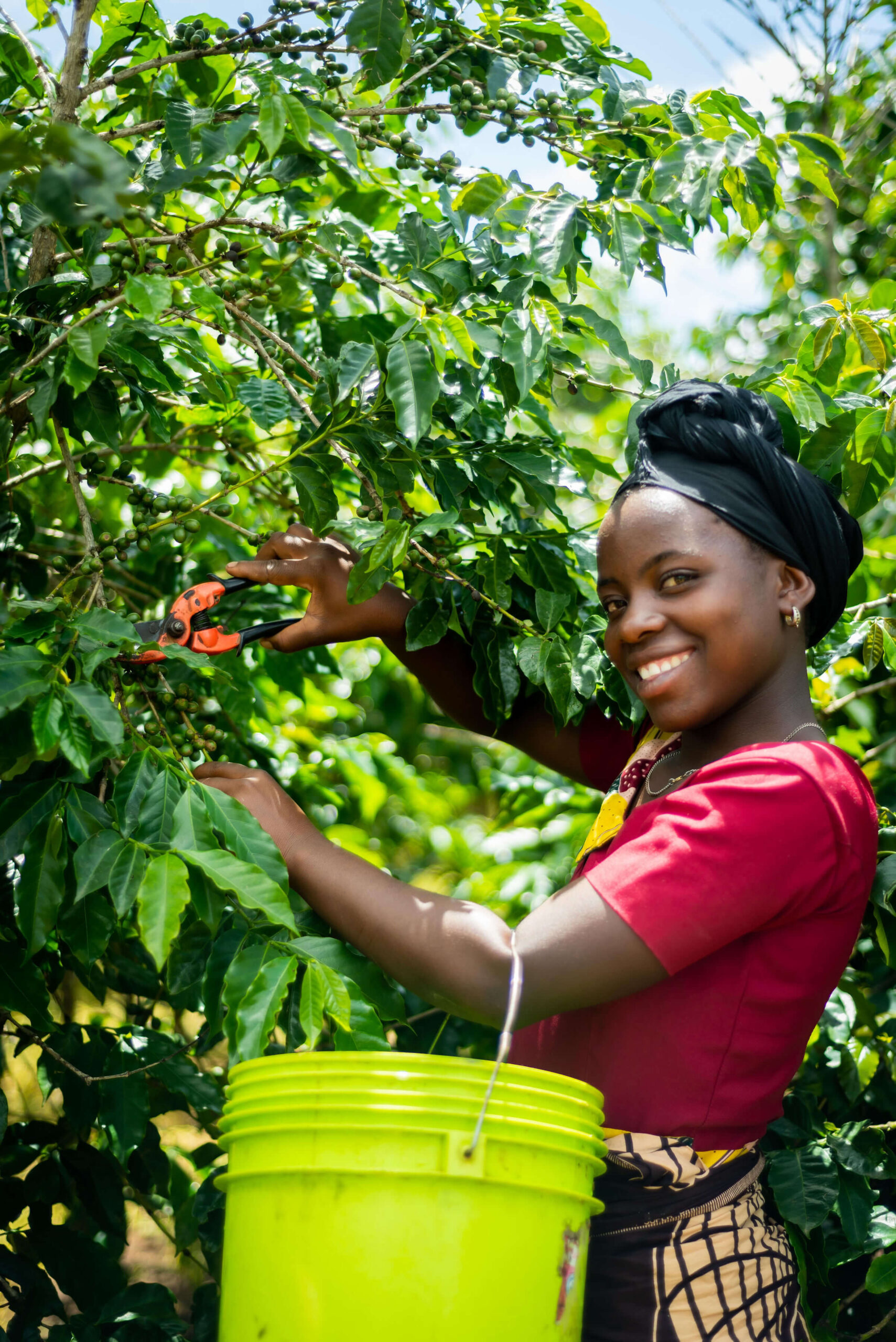
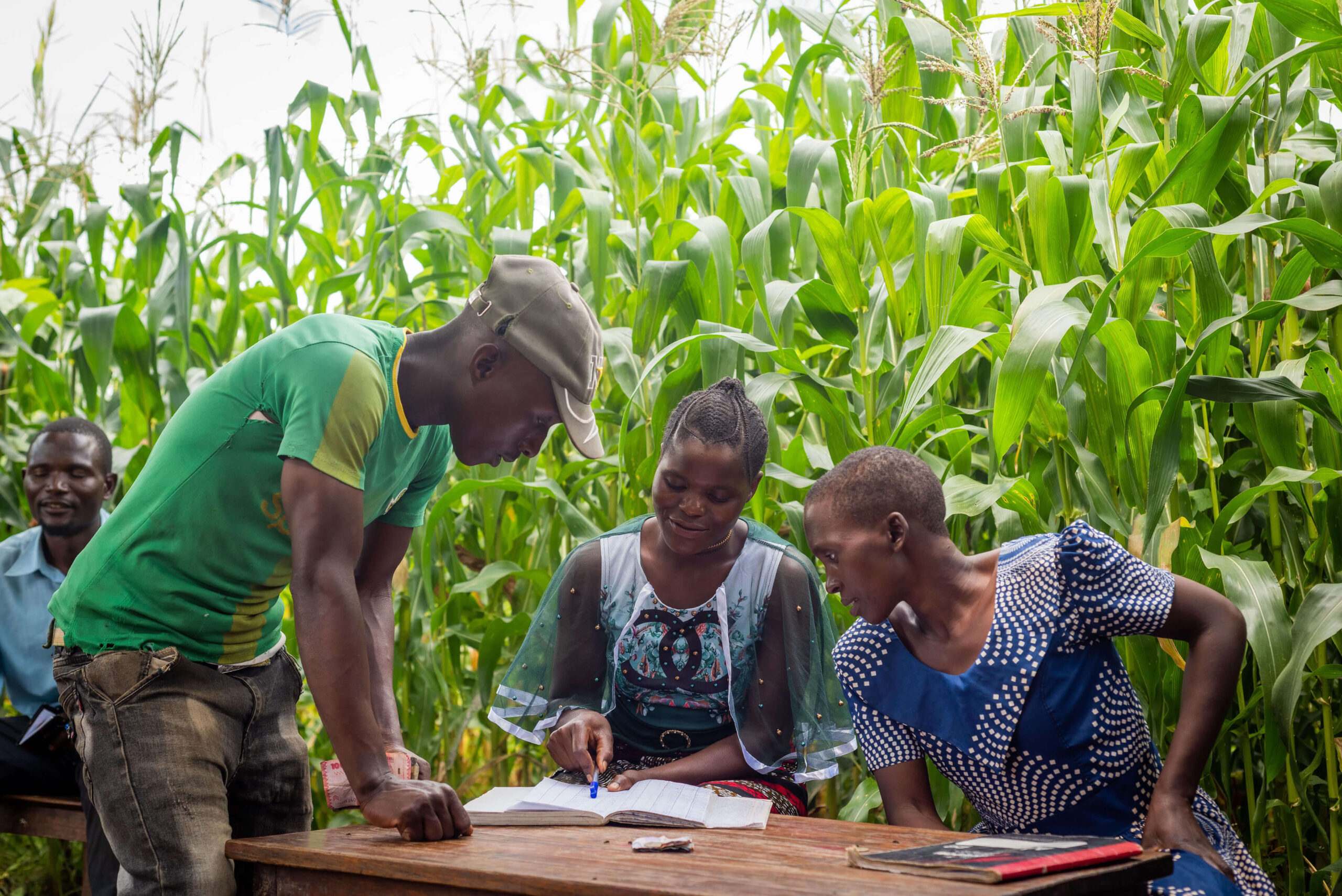
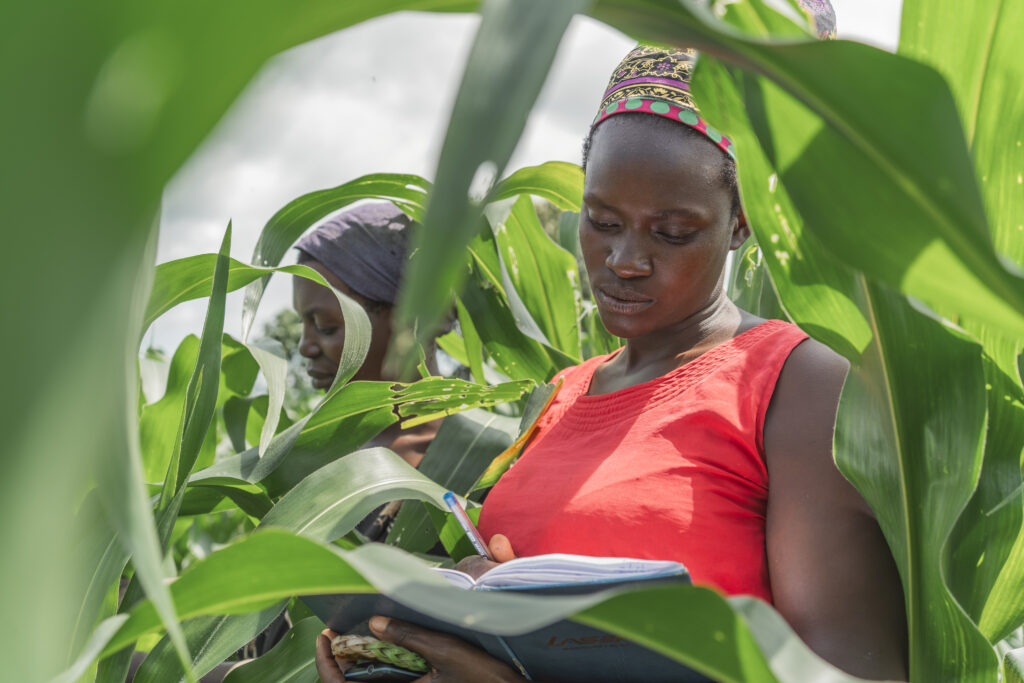
Establishing Youth Farmer Field Schools (YFFS) to train young farmers in sustainable, climate-smart agricultural practices.
Supporting young entrepreneurs in agricultural value chains with tools, resources, and market linkages.
Reducing post-harvest losses through improved storage and logistics solutions.
2. Vocational Training and Logistics Education
Partnering with local universities and training centers to develop market-relevant curricula in logistics, supply chain management, and agro-logistics.
Providing vocational training to equip youth with technical and entrepreneurial skills.
Bridging the gap between education and employment through mentorship programs and job readiness seminars.
3. Health and SRH
Improving access to youth-friendly health services, including sexual and reproductive health education.
Addressing gender-based violence and harmful traditional practices through community sensitization and advocacy.
Training healthcare providers to deliver comprehensive SRH services tailored to the needs of young people.
Our Vision
for Tanzania
SAfA envisions a future where young people in Tanzania have the tools, opportunities, and support to build independent and prosperous lives. By addressing key challenges such as unemployment, gender inequality, and limited access to health services, SAfA is laying the groundwork for meaningful change that benefits individuals, strengthens communities, and contributes to the country’s overall economic development.
Core Elements
SAfA's Vision
Economic: Creating opportunities for youth to engage in meaningful work and entrepreneurship.
Gender Equality: Promoting equal access to resources, education, and leadership roles for young women and men.
Sustainability: Building systems and structures that ensure long-term impact and community ownership.
Tanzania
Progress in Action
With the majority of its programs implemented, SAfA is paving the way for transformative change:
50,000 youth in Arusha, Kilimanjaro, Mbeya, and Songwe enrolled in training.
Over 200 Youth Farmer Field Schools established to provide hands-on training in agriculture.
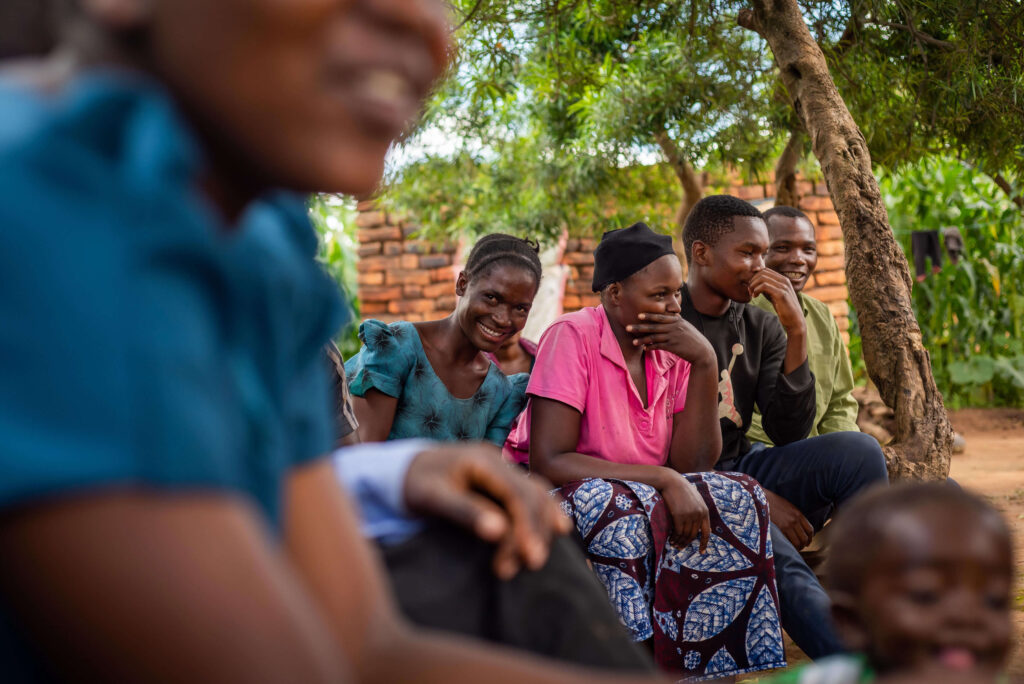
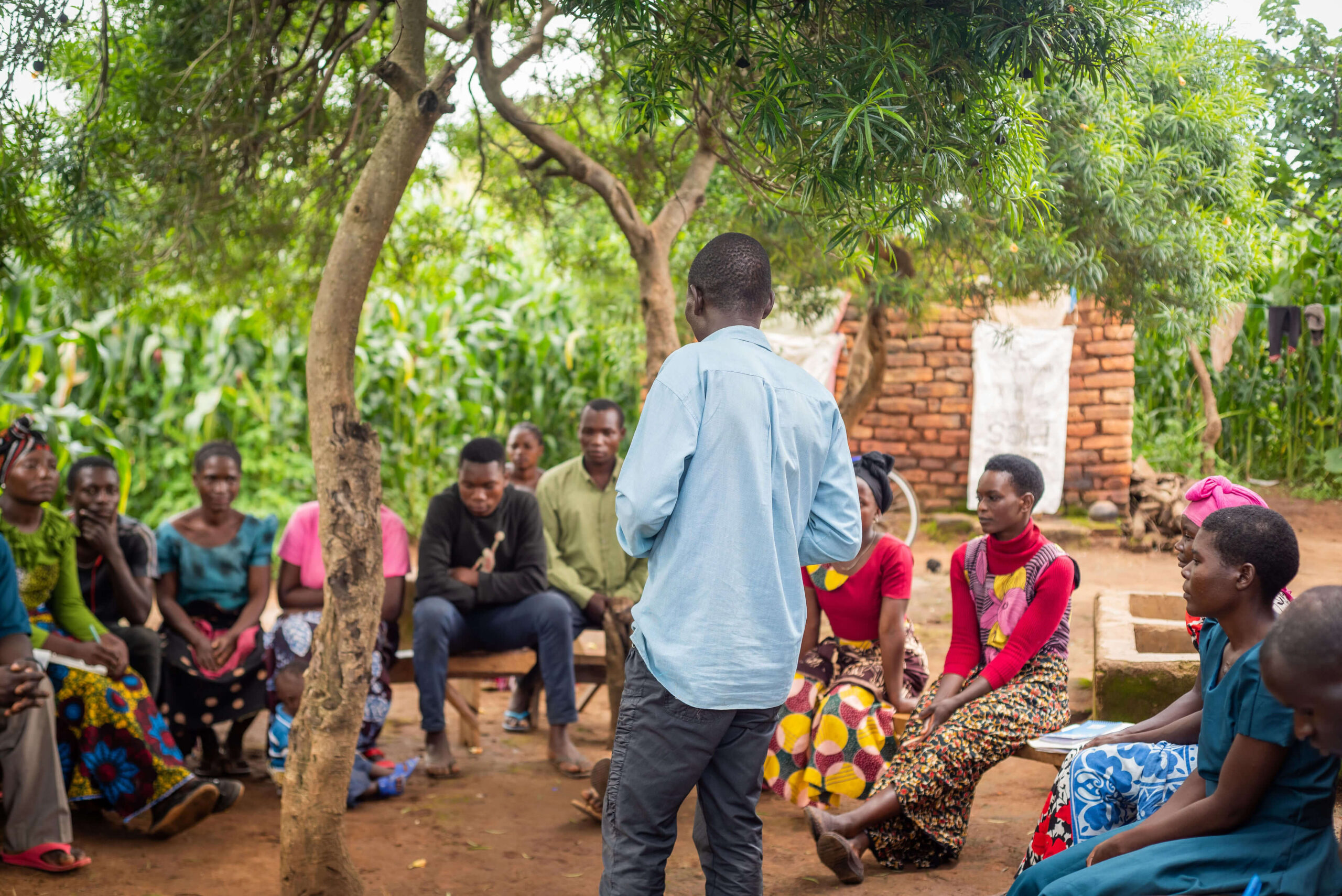
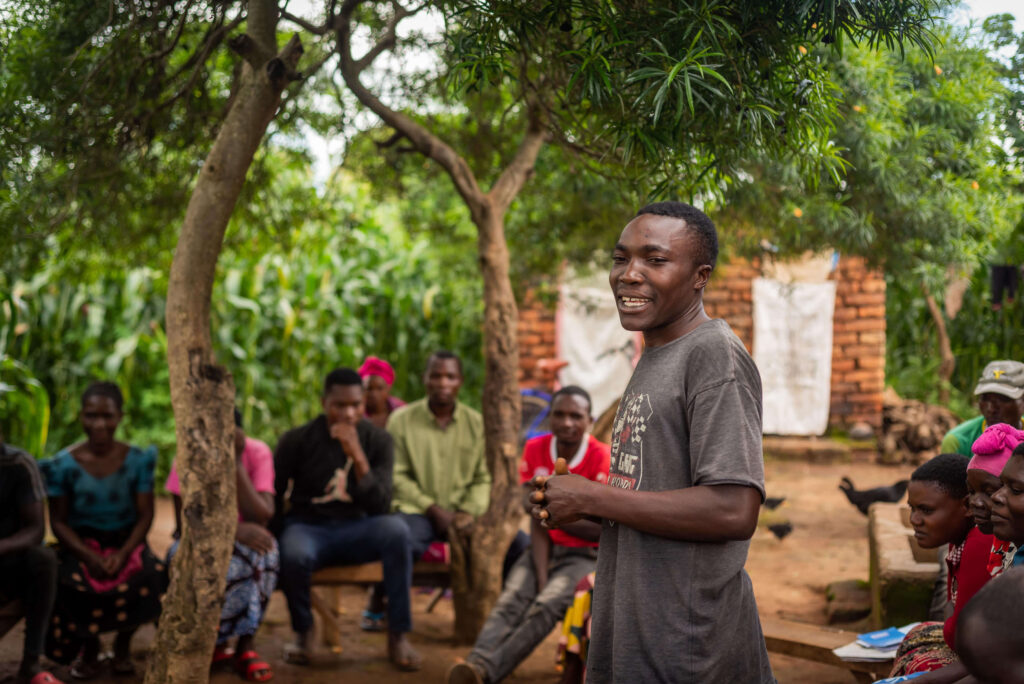
Over 150 Youth Clubs established as hubs for peer-learning on SRHR and family planning
30 health centers equipped to offer youth-friendly SRHR services.
Provision of professional training in agro-logistics and related sectors to2,000 youth.
Capacity of 2 universities in the areas of higher logistics education strengthened.
Learn More About
Our Partners' Work
Want to dive deeper into our partners‘ activities in Tanzania? Visit their dedicated project websites and LinkedIn profile:
„I grew up from humble beginnings, and was often a sickly child. Having been granted this opportunity to pursue my PHD in Health and Supply chain will enable me to make a positive contribution in my community by improving access to essential medicines, strengthening healthcare delivery systems, and advocating for equitable health solutions in underserved areas. My journey is not just for personal growth, but a commitment to ensuring others, especially the vulnerable, do not face the same struggles I did.”
Alfred Sallwa
KF PHD Candidate in Health Supply Chain at Mzumbe University
„I grew up hearing that coffee was a men’s crop, and us women were confined to growing food crops such as beans. Our coffee nursery has demonstrated to the communities surrounding us that women can also grow cash crops.“
Sarah Lyanda
Member of Nampimbi YC Songwe
„The trainings we have obtained from the Implementing Partners of the SAfA Tanzania project have breathed fresh insight into my understanding of matters pertaining to youth. Before, I thought youth friendly services such as Family Planning were only available for women, but I now know of options for men too.“