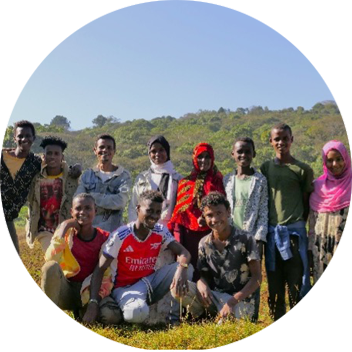
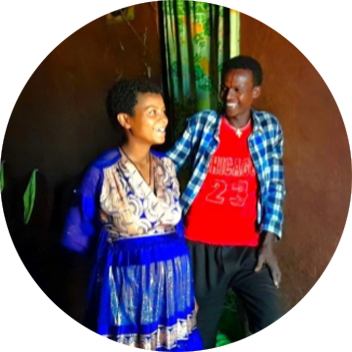
Ethiopia, with a population of over 120 million, is the second most populous country in Africa. Over 80% of the population resides in rural areas, heavily reliant on agriculture for their livelihoods.
However, the country faces significant hurdles that deeply affect its youth, including:
youth unemployment,
limited access to education,
gender inequality.
These issues are further exacerbated by ongoing ethnic conflicts, civil unrest, and an economic crisis marked by high inflation, which have created widespread instability and hardship. This challenging environment limits access to essential services, disrupts livelihoods, and hinders opportunities for the younger generation to thrive.
In addition, barriers such as inadequate healthcare services, insufficient infrastructure, and climate-related disruptions further limit Ethiopia’s youth from realizing their potential and contributing to the socio-economic growth of their communities.
SAfA (Stiftungallianz für Artikel) addresses the root causes of poverty in Ethiopia aiming to enable young people to lead self-determined lives while contributing to the socio-economic growth of their communities.
4. Health and SRHR (Sexual and Reproductive Health and Rights)
Limited access to youth-friendly health services exacerbates issues such as unintended pregnancies, unsafe abortions, and sexually transmitted infections (STIs).
Harmful traditional practices, such as early marriage and female genital mutilation (FGM), persist in many regions.
5. Climate Change and Agriculture
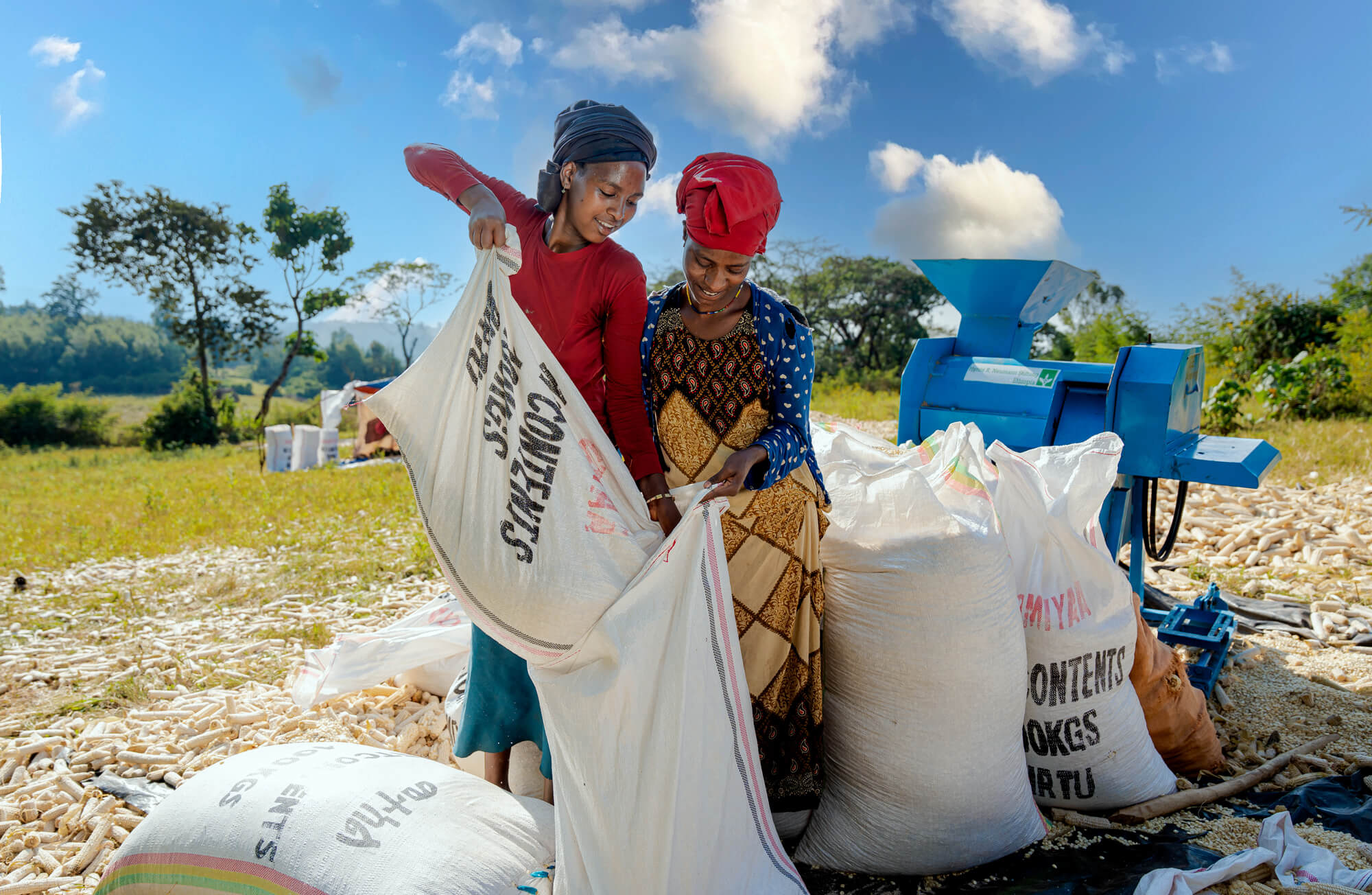
Agriculture employs over 70 % of the population but contributes only 34 % to GDP due to low productivity, outdated practices, and poor integration into modern supply chains.
Post-harvest losses amount to 30 – 40 % due to inadequate logistics and storage facilities.
Addressed Challenges:
A Snapshot
1. Youth Unemployment and Economic Exclusion
The majority of Ethiopia’s youth (aged 15 – 29) live in rural areas and are engaged in unpaid family labor, leaving them economically vulnerable.
Rural-to-urban migration is driven by a lack of access to land, limited employment opportunities, and the unattractiveness of agriculture due to outdated practices and low profitability.
2. Gender Inequality
Young women face significant barriers, including early and forced marriages, lack of access to education, and gender-based violence.
Only 44 % of women are literate, and gender disparities in access to resources and opportunities remain significant.
3. Education and Skills Gap
School dropout rates are high, with many young people leaving school early due to financial pressures, poor infrastructure, and sociocultural factors.
Access to market-relevant vocational and professional education is limited, further reducing employability and entrepreneurial potential.
SAfA's Approach
in Ethiopia
SAfA’s work in Ethiopia is focused on creating opportunities for young people while addressing the systemic challenges they face. The alliance operates in the Amhara and Oromia regions, targeting 70,000 youth aged 15 – 29. Through a multisector approach, the founding organizations — Hanns R. Neumann Stiftung (HRNS), Kühne-Stiftung (KS), and DSW Ethiopia (DSW ET) — collaborate to deliver impactful solutions.
Key Focus Areas
1. Agriculture
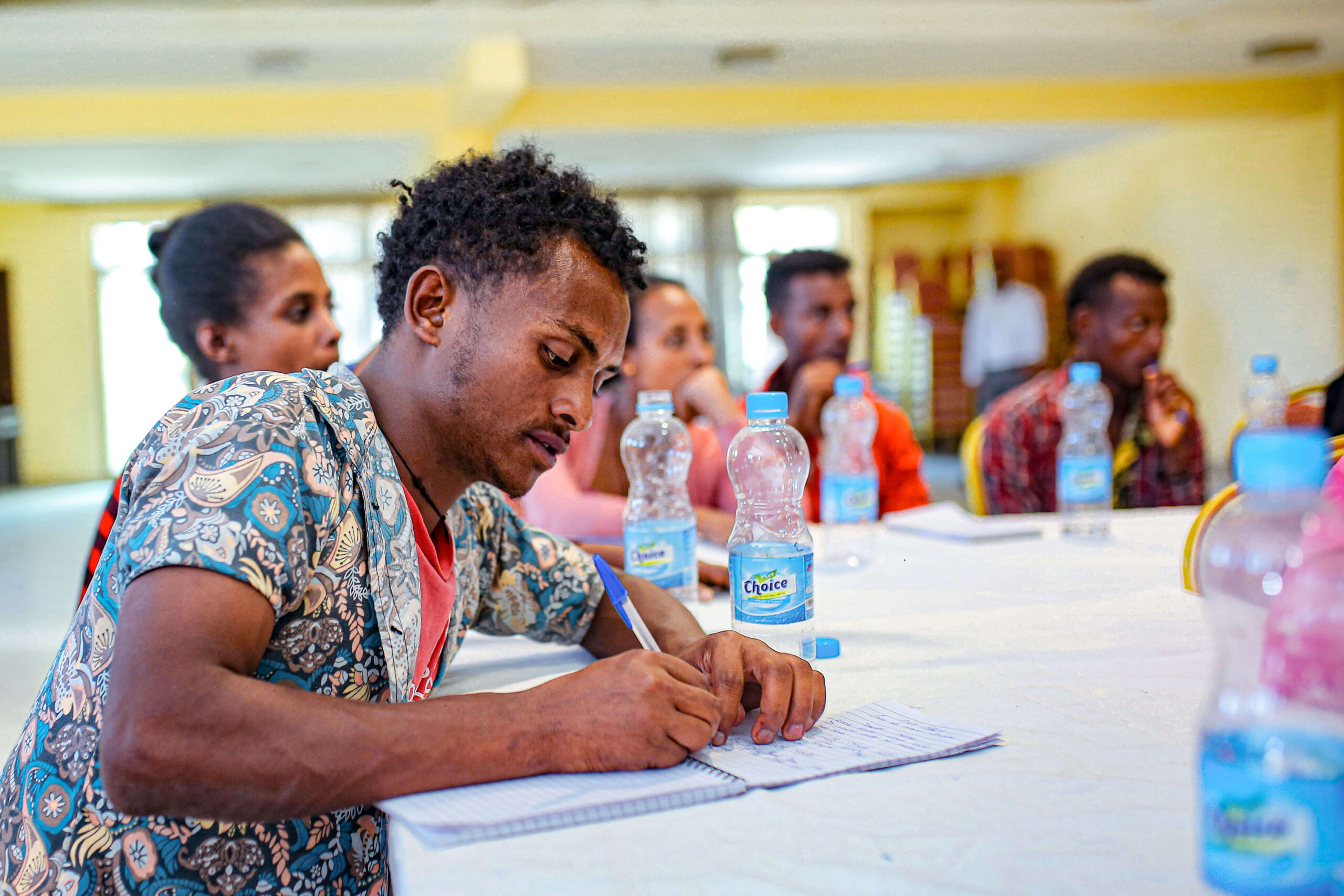
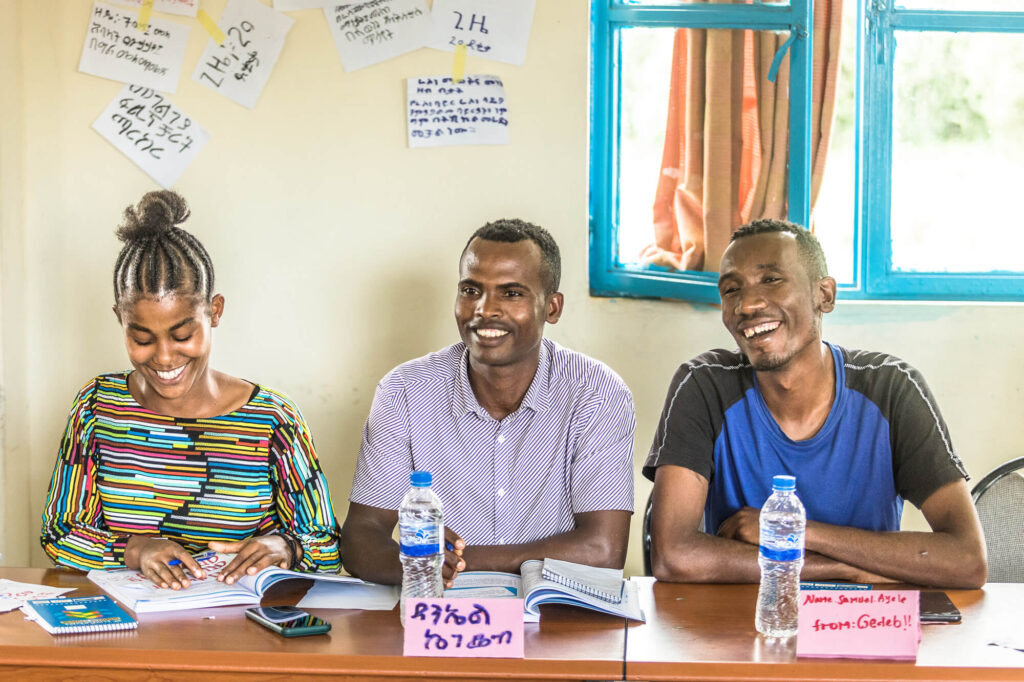
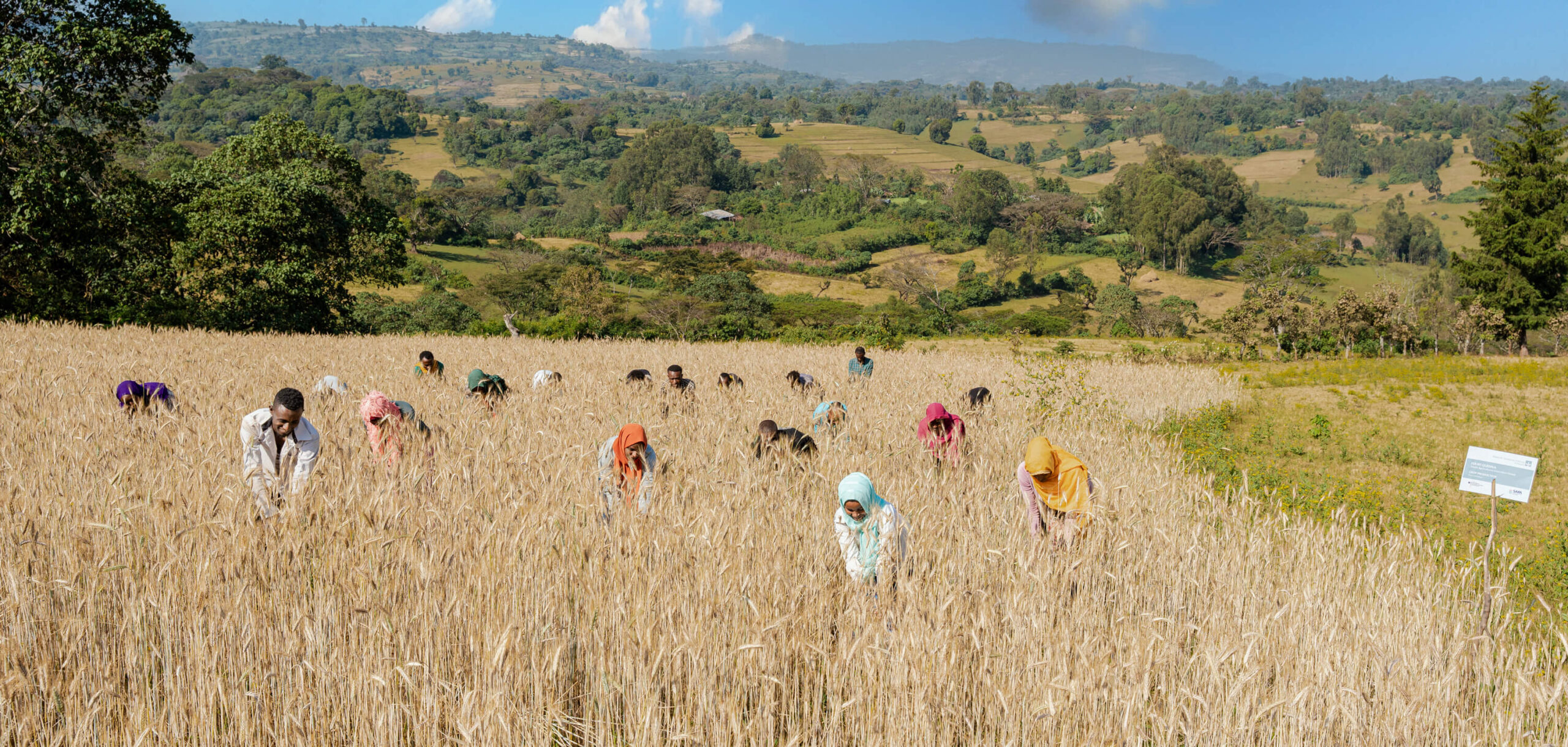
Supporting young people through the establishment of Youth Agricultural Innovation Groups (YAIGs), where they receive hands-on training in modern agricultural practices, entrepreneurship, and life skills.
Promoting climate-smart agriculture, irrigation techniques, and post-harvest management to enhance productivity and profitability.
Strengthening agricultural value chains, with a focus on diversification, to create market linkages and improve livelihoods.
2. Vocational Training and Logistics Education
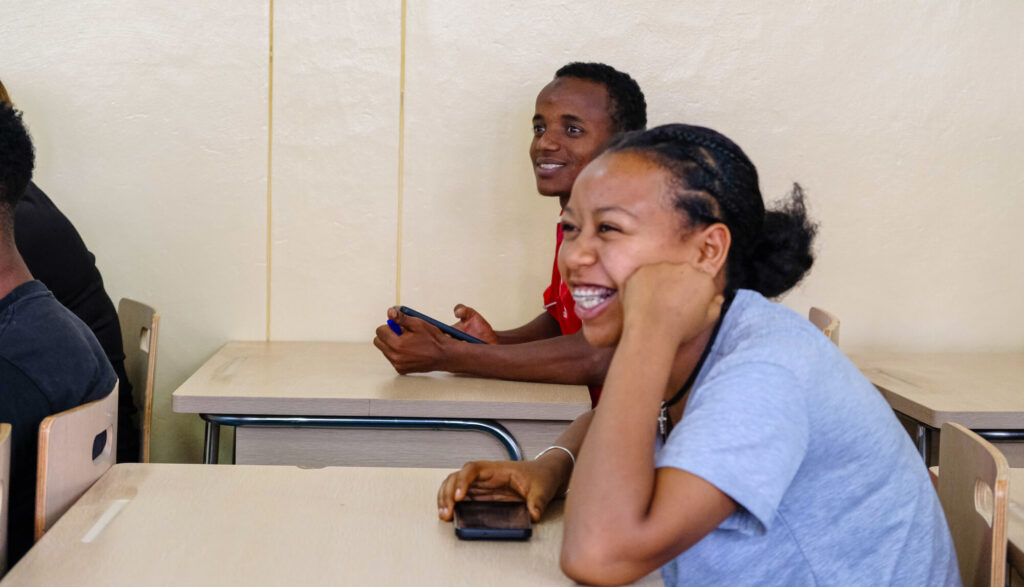
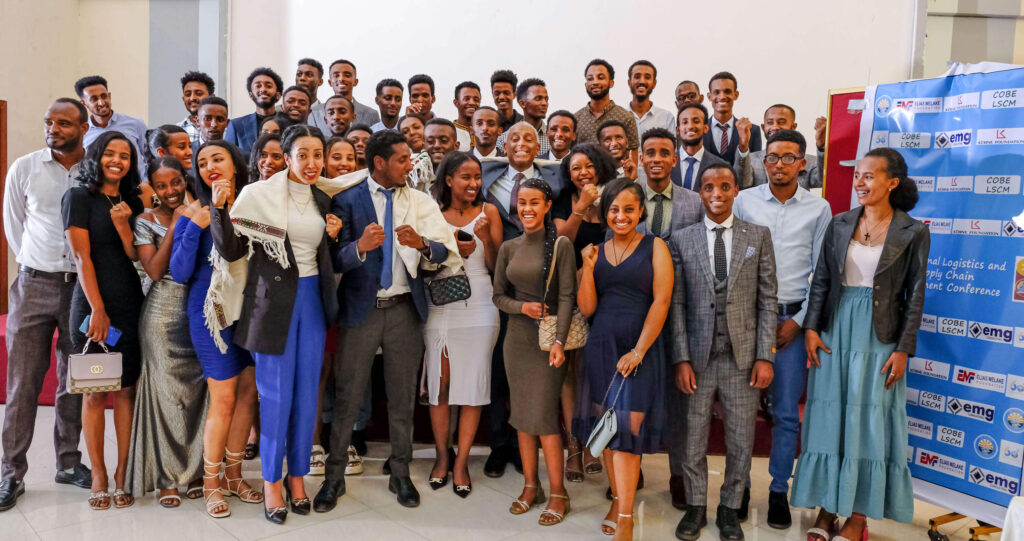
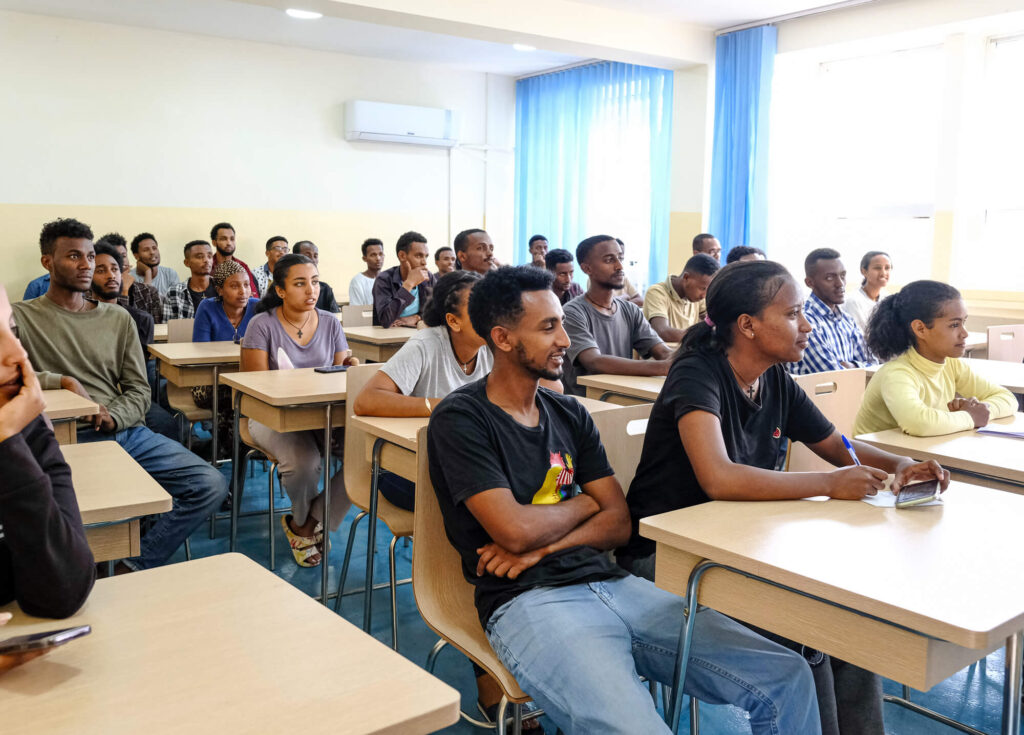
Partnering with universities and vocational training centers to develop market-relevant curricula in logistics and supply chain management.
Providing professional training and certifications to equip youth with skills for employment in logistics, agro-logistics, and related sectors.
Facilitating research and innovation in logistics to address inefficiencies in agricultural and medical supply chains.
3. Health and SRHR
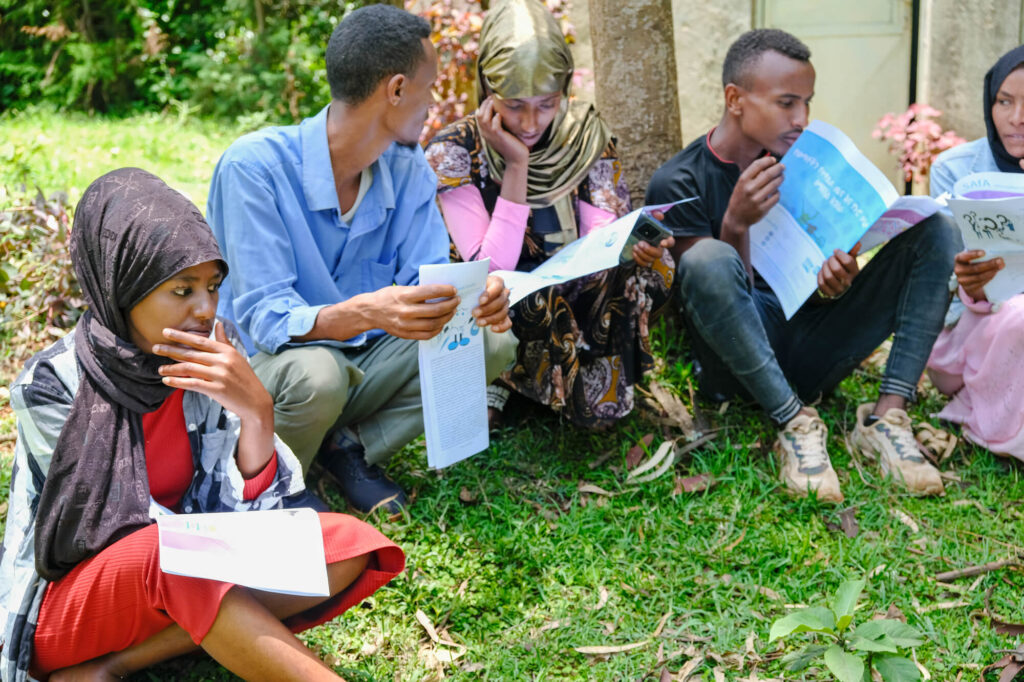
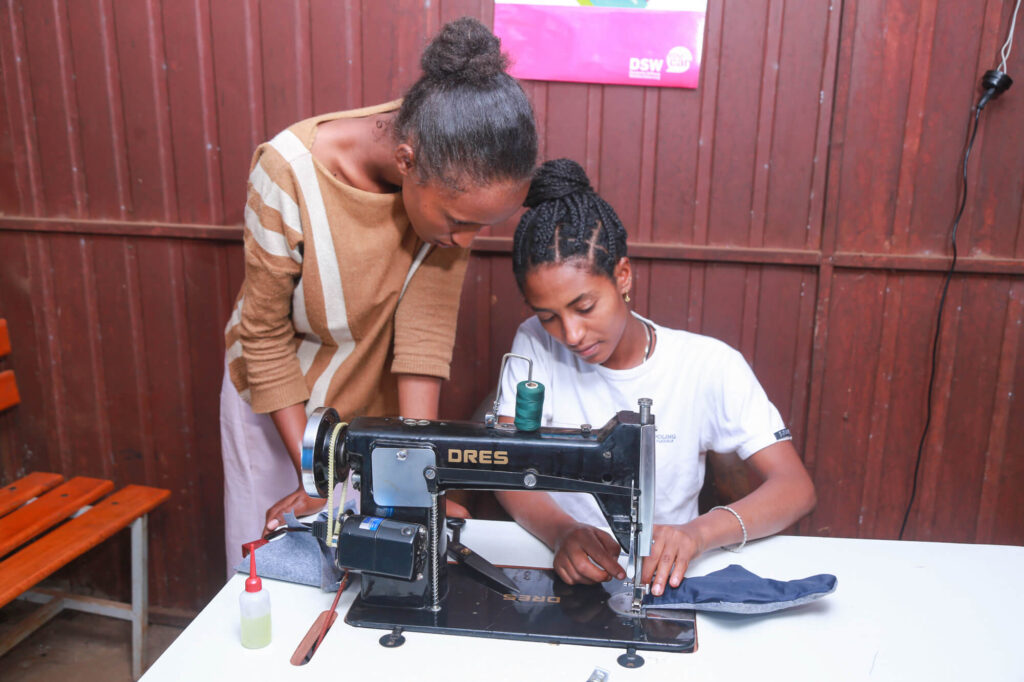
Expanding access to youth-friendly sexual and reproductive health services, including family planning, STI prevention, and gender-based violence support.
Training healthcare providers to deliver comprehensive SRHR services and improve referral systems.
Conducting awareness campaigns and peer education programs to address harmful traditional practices and promote gender equality.
Our Vision
for Ethiopia
SAfA envisions a future where young people in Ethiopia lead self-determined lives, becoming the driving force behind lasting change in their communities.
By addressing the root causes of poverty and inequality, SAfA is building the foundation for a more equitable and prosperous society.
Core Elements
of SAfA's Vision
Economic: Enabling youth to secure meaningful employment and entrepreneurial opportunities in agriculture and other sectors.
Gender Equality: Promoting equal access to resources, education, and decision-making for young women and men.
Sustainability: Creating systems and structures that continue to deliver impact long after project completion.
Ethiopia
Milestones Achieved
With the majority of its programs implemented, SAfA is paving the way for transformative change:
70,000 young people in Amhara and Oromia regions participate in training.
Over 378 Youth Agricultural Innovation Groups (YAIGs) established to train young farmers in modern agricultural practices.
50 health centers equipped to provide youth-friendly SRHR services.
Business ownership: Increased by 28 %
Self-employment: Increased by 44 %
Underemployment: Decreased by 43 %, particularly in Oromia.
Capacity of 2 universities in the areas of higher logistics education strengthened
Provision of professional training in agro-logistics and related sectors to2,000 youth
Support to 3 researchers in studies aimed at addressing inefficiencies agricultural and medical supply chains
„Before the project, me and the other YAIG members were unemployed and wasting our time — some even trapped in substance abuse. Through the SAfA Ethiopia project, we learned modern farming techniques by doing, from land preparation to post-harvest management. Now, we are applying what We have learned, making profits, and transforming our lives.“
Awolu Nassir
YAIG "Lelistu" Leader in Bunno Bedele, Oromia
„Before the project, we were unemployed youth with limited knowledge and no income. The SAfA project empowered us with skills in agriculture, sexual and reproductive health, and supply chain management — opening doors we never knew existed.“
Jijirema YAIG
in Bunno Bedele, Oromia
„I grew up from humble beginnings, and was often a sickly child. Having been granted this opportunity to pursue my PHD in Health and Supply chain will enable me to make a positive contribution in my community by improving access to essential medicines, strengthening healthcare delivery systems, and advocating for equitable health solutions in underserved areas. My journey is not just for personal growth, but a commitment to ensuring others, especially the vulnerable, do not face the same struggles I did.”
Temesgen Kinde
Co-facilitator for " Edget Behibret" YAIG
in West Gojjam, Amhara